Artificial Roofing Systems That Outperform Standard Roofing in the Midwest
The Midwest is not forgiving to roof coverings. A home in Chicagoland might see deep snow in January, wind-driven rainfall in April, intense UV and heat in July, after that hailstorm and freeze-thaw swings prior to the leaves are down. That kind of cycle subjects every powerlessness in a roof covering assembly. It appears initially at fasteners, seams, ridges, valleys, blinking changes, and on any kind of material that soaks up wetness or comes to be brittle with age.
That is why more homeowners, designers, and high-end home builders are paying closer focus to synthetic roofing systems. Not due to the fact that they are fashionable, and not due to the fact that they mimic premium products at a lower price point, though some do. They are obtaining grip because specific products simply manage Midwestern weather condition much better than several typical choices. When the product is defined properly and the artificial roof setup is done by skilled teams, the result can be a roofing system with solid impact resistance, lighter architectural need, even more constant look, and fewer upkeep migraines over time.
There is a great deal of noise in this category, so it assists to be precise. Not every artificial roofing system is premium artificial roofing. Not every polymer shingle belongs on a luxury home. And not every professional that claims they mount these products comprehends the information that make them work in https://elliotrbkp337.brightpathdigest.com/posts/costs-synthetic-roofing-options-for-long-term-midwest-roof-efficiency the area. Efficiency originates from the whole system, not just the face of the roof shingles or tile.
What "outperform" truly indicates in the Midwest
When property owners listen to that roofing surpasses another, they typically assume it means longer lifespan alone. In method, that is only part of the tale. In the Midwest, a far better roof earns its keep in several methods at once.
It sheds water reliably throughout wind-driven tornados. It resists breakage throughout hail storm occasions. It tolerates thermal movement without crinkling, breaking, or shedding placement. It holds color and structure instead of looking tired after a few hot summers. It likewise decreases the risk of surprise troubles, specifically moisture invasion around flashings and infiltrations. On higher-end homes, appearance matters as well. A roofing that looks level, milky, or irregular after a decade is not actually carrying out, even if it practically still maintains water out.
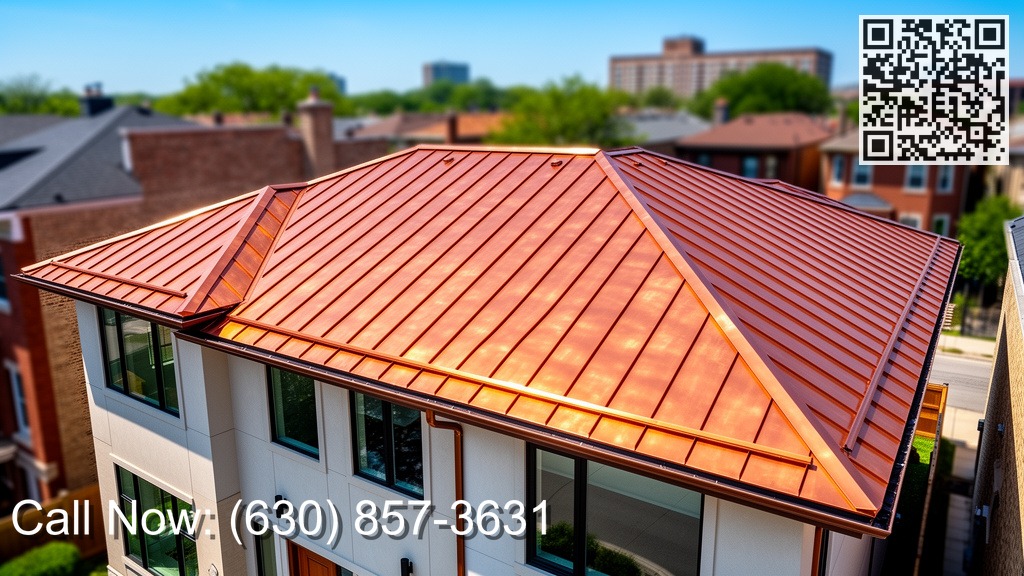
Traditional roofing materials each have staminas. Asphalt roof shingles are accessible and acquainted. Cedar has heat and character. All-natural slate is gorgeous and long lasting. Clay and concrete tile produce a distinct building appearance. Yet every one of those materials also features constraints that come to be extra obvious under Midwestern conditions.
Asphalt can shed granules, fold in wind, and endure throughout duplicated freeze-thaw exposure as it ages. Cedar demands maintenance and can split, mug, or support moss if conditions are right. Slate is exceptional in numerous respects yet really hefty, costly to fix, and not every structure is framed for it. Ceramic tile manages heat well, but fragile breakage in cooler climates or under effect is a real concern.
The finest artificial roofing systems are made to attend to those weak points without producing new ones.
Why artificial products have actually moved beyond "imitation"
A decade or 2 earlier, synthetic roofing frequently lugged a credibility for looking extremely produced up close. Some very early items did. The texture was also repetitive, edges were also uniform, and the shade did not have deepness. That has changed substantially at the premium end of the market.
Today's building synthetic roof items are frequently crafted from advanced polymers, composite resins, or recycled product mixes with UV stabilizers and impact-resistant solutions. The very best variations do not merely imitate cedar shake, slate, or ceramic tile. They reinterpret those accounts in such a way that maintains the visual richness while boosting uniformity and weather condition resistance.
On a recent deluxe residential job, the owners wanted the look of hand-split cedar without the upkeep timetable that generally follows it. The house had high gables, several valleys, and a greatly landscaped great deal where falling branches were a problem. A premium artificial roof covering shake account made good sense. Once set up, the shadow lines and staggered sizes gave the roof the variant the engineer desired, yet the product itself was much less prone to splitting and moisture absorption than natural timber. That is the kind of functional concession artificial items take care of really well.
For synthetic roof covering for high-end homes, looks are not additional. Oftentimes, they are the factor the discussion starts. Yet the items that absolutely stick out are the ones that combine visual depth with reliable area performance.
The Midwest penalizes weight, brittleness, and water absorption
One reason artificial roofing systems can outshine standard roofs is easy physics. A lot of artificial roof covering roof shingles and tiles are significantly lighter than all-natural slate or clay floor tile. That matters in older Midwestern housing stock, where architectural retrofitting can add substantial cost to a roofing system replacement. If a house owner enjoys the slate look yet the framework was never ever created for real rock, a high quality synthetic slate account can open an option that would certainly otherwise be impractical.
Lower weight also influences setup logistics. It minimizes handling stress, can make staging less complicated, and locations less long-term anxiety on the framework. That is not a substitute for proper underlayment, fastening, and ventilation, but it is still an advantage.
Brittleness is an additional problem. In environments with freezing temperature levels, effect events level about roof covering products extremely promptly. Hail storm does not land nicely, and neither do branches thrown by straight-line winds. Lots of artificial roof are crafted for high influence resistance. That can imply fewer fractures, much less cosmetic damage, and in many cases a better chance of staying clear of early synthetic roof covering substitute after a severe storm.
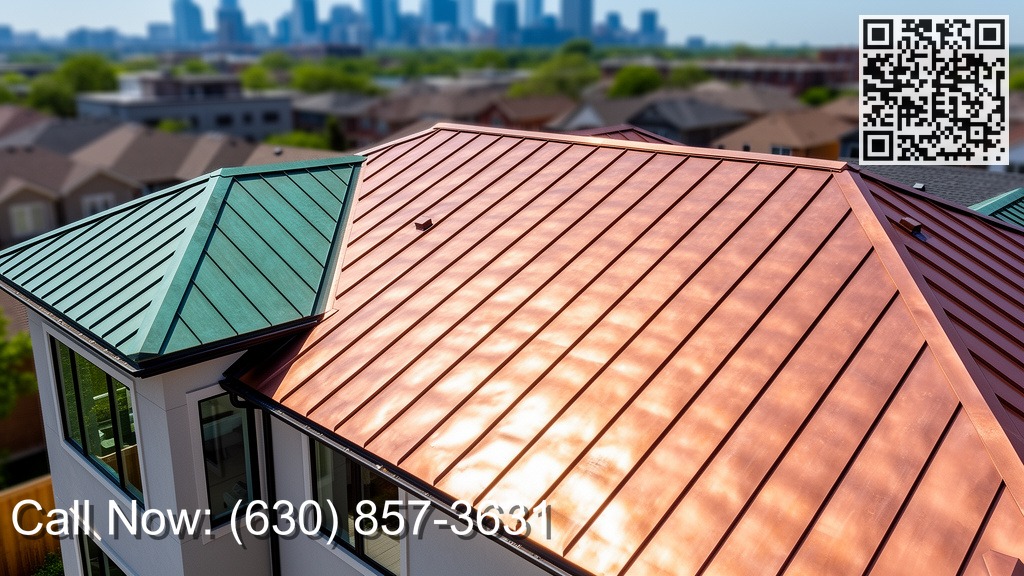
Water absorption is where some typical materials battle silently over time. Products that tackle dampness can endure extra throughout freeze-thaw cycles. Growth, contraction, and surface destruction do not constantly announce themselves right away. A synthetic roofing system, particularly one made from low-absorption composite products, avoids that problem by design.
Where artificial roof covering beams most
The greatest applications for residential artificial roof in the Midwest tend to come under a few clear classifications. Historic-style homes that desire quaint look without old-world delicacy are one. High-value custom-made homes are one more. Houses bordered by fully grown trees, homes exposed to open wind corridors, and homes where the proprietors anticipate a cleaner, much more uniform appearance gradually also benefit.
Here are the situations where artificial roofing systems frequently make one of the most feeling:
- Homes seeking slate, shake, or ceramic tile appearances without the architectural burden of the all-natural material.
- Properties in hail-prone locations where influence resistance matters as high as visual appeal.
- Custom builds where the engineer desires texture and measurement that typical asphalt can not deliver.
- Older homes that need an artificial roofing system replacement without including significant mounting upgrades.
- Luxury homes where long-lasting look and reduced maintenance carry real value.
Those classifications overlap typically. In markets like artificial roofing Chicago and synthetic roof Naperville IL, it prevails to see home owners balancing weather condition worries, HOA standards, and the wish to maintain a details building character.
Synthetic slate, synthetic shake, and developer profiles
Not all synthetics are trying to do the exact same work. Generally speaking, the highest-performing products in the Midwest fall under 3 family members: slate-look profiles, shake-look accounts, and designer tiles that develop measurement past common asphalt.
Synthetic slate tends to work specifically well on Tudor, French Country, Colonial, and specific contemporary homes that need crisp roof lines and fine-tuned appearance. An excellent synthetic slate account prevents the extreme uniformity that gives away lower-end products. Look for diverse sizes, subtle thickness modifications, and mixed pigmentation as opposed to a flat monochrome field.
Synthetic shake accounts are suitable where property owners like the warmth of cedar yet do not desire the maintenance burden, fire issues, or weathering unpredictability of timber. On bigger roof coverings, this group can be especially reliable since it creates darkness and scale. Done well, it assists a roofing system really feel symmetrical to your home as opposed to like a thin cap sitting on top of it.
Architectural synthetic roof also includes items that do not strictly imitate one natural material. Some are indicated to supply a premium, dimensional roof airplane with cleaner lines and modern outlining. That can be a clever alternative for transitional homes where traditional cedar or slate visuals would really feel also heavy.
The trick is matching profile to design. An artificial roofing contractor who recognizes layout will guide a home owner far from an item that executes well technically however looks incorrect on the house. That judgment matters greater than individuals realize.
Installation is where great items either do well or fail
Even excellent products can underperform when mounted thoughtlessly. I have seen costs roofs compromised by fundamental mistakes: misaligned starter programs, badly incorporated blinking, valley details built for speed rather than water drainage, and ridge vent systems that were not balanced with correct consumption ventilation.
Synthetic roofing installers need to follow producer specs carefully since attaching patterns, direct exposure, accessory elements, and temperature level factors to consider can vary from common asphalt practices. Some items need specific spacing allowances for movement. Some require exclusive hip and ridge accessories. Some need precise dealing with to stay clear of noticeable pattern repeating or area distortion.
That is why choosing the best synthetic roof covering firm matters as long as choosing the item. A capable synthetic professional roofer must be able to clarify exactly how they take care of ice-and-water membrane positioning, valley building, pipeline flashing transitions, attic room ventilation, and the detailing at walls and chimneys. If the answers remain obscure, that is a caution sign.
In north Illinois, this is particularly vital. An artificial roofing contractor Chicagoland homeowners can trust should be comfortable handling ice dam risk, wind exposure around lake-influenced weather condition patterns, and the traits of older framework that are common in recognized neighborhoods.
The underlayment package additionally is entitled to attention. A roof covering system is not simply what you see from the road. In lots of Midwest applications, high-temperature ice-and-water defense in susceptible locations, artificial underlayment throughout the area, and carefully chosen metal information are part of what makes the whole assembly long lasting. Conserving money under the surface product typically costs more later.
How synthetics compare with asphalt, cedar, slate, and tile
Asphalt still belongs. For many homes, a reliable building asphalt roof shingles uses audio value. Yet it rarely supplies the same dimensional visibility as costs artificial roofing, and in demanding weather condition it can reveal age quicker. Granule loss, softened edges, and aesthetic inconsistency prevail by the middle years of the roof's life, especially on sun-heavy exposures.
Cedar has unrivaled natural charm, specifically on classic homes. It also asks for respect. Ventilation, therapy, maintenance, and climate exposure all influence exactly how cedar ages. Some owners love the weathered personality. Others are disappointed when the roof looks uneven after a stretch of damp seasons and extreme winter seasons. Artificial shake is frequently the response for those who want the cedar look with far much less unpredictability.
Natural slate stays one of the fantastic roof covering products. On the best structure, set up by real specialists, it can last longer than nearly everything else. Yet it is expensive, hefty, and repair services need a diminishing pool of tradespeople who recognize exactly how to collaborate with it correctly. For several house owners, artificial slate provides the majority of the visual benefit with less architectural and logistical complications.
Tile is comparable. Genuine clay and concrete ceramic tile are lovely, but their performance account fits some environments far better than others. In freeze-thaw regions, product choice and setup high quality become essential. Synthetic floor tile alternatives provide a means to maintain the silhouette and design while lowering damage risk and installation burden.
Outperforming conventional roof covering does not indicate every synthetic beats every natural product in every classification. It indicates the very best artificial roofs typically provide a better overall package for actual Midwestern conditions and house owner priorities.
The appearance concern, since curb charm still drives decisions
Many home owners start this search with efficiency in mind, after that make the final decision based on appearance. That is reasonable. The roofing system can represent a substantial share of a home's aesthetic impact.
This is where costs artificial roofing has divided itself from asset items. Better lines have richer shade blends, more all-natural side variation, much less sheen, and accessory pieces that do not look like an afterthought. From the ground, and even from the eave line, the difference can be striking.
For artificial roof Chicago tasks, I have actually seen that customers of higher-end homes are significantly sensitive to roofing systems that look "contractor grade," also when your home itself is not. A thoroughly chosen synthetic roofing can boost a home's outside in a manner that common laminated asphalt typically can not. That matters in competitive neighborhoods, and it certainly matters for homeowners intending to stay enough time to appreciate just how the roofing system will search in year 10, not just week one.
Cost, worth, and the actual math over time
Synthetic roofing systems generally set you back much more ahead of time than traditional asphalt. That component is apparent. The better question is what the home owner enters return.
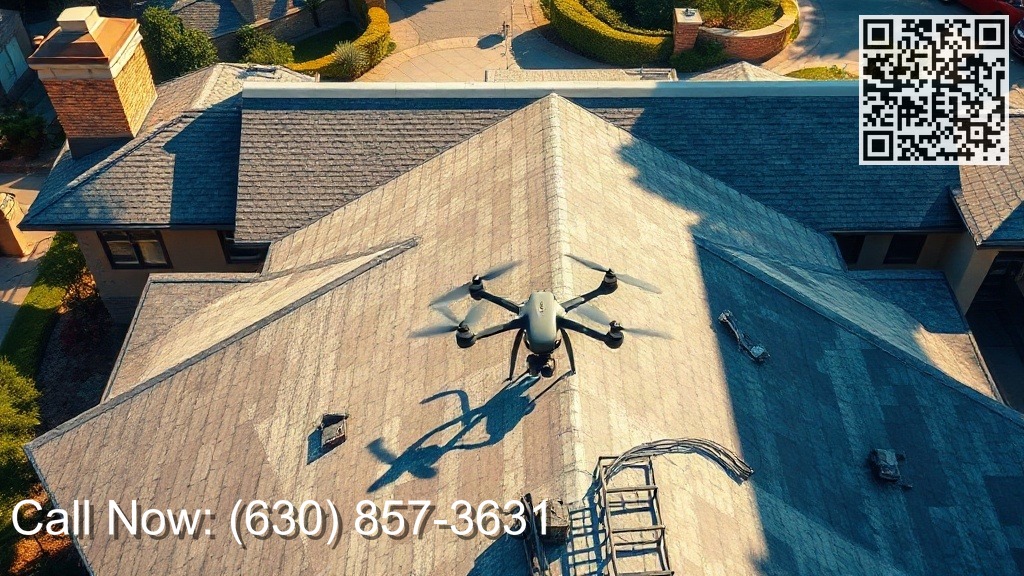
The value recommendation typically includes longer service expectations, lower upkeep compared with cedar, fewer architectural problems compared to slate or tile, and stronger resistance to typical Midwest stressors such as hail storm and freeze-thaw cycling. There can also be insurance policy ramifications depending upon item ratings and the provider, though that differs sufficient that it should never be assumed.
A house owner thinking about synthetic roofing system replacement need to also consider second expenses. If an all-natural slate or tile option sets off engineering evaluation or architectural reinforcement, the budget adjustments quickly. If cedar needs ongoing treatment or repair service focus, the lifetime expense image modifications there also. Occasionally premium artificial roof is not the least expensive roofing system theoretically, however it ends up being one of the most sensible roof covering when all the associated expenses are counted.
This is where a trustworthy artificial roof covering company earns its charge. Excellent specialists chat through those trade-offs truthfully. They do not sell every home owner the exact same setting up. They ask how much time the proprietors intend to stay, exactly how vital exact historical look is, just how much maintenance they are willing to handle, and what previous tornado damages has actually looked like on the property.
What to ask before choosing a system
If you are comparing products and professionals, a few questions disclose a great deal extremely quickly. Ask what profile the service provider believes ideal suits the house and why. Ask whether the team has actually set up that particular product in the past, not simply "artificial roofing systems" as a whole. Ask exactly how they deal with valley waterproofing, ventilation approach, flashing replacement, and cold-weather scheduling.
Most significantly, ask to see finished local job that has actually been in service for numerous years. Fresh installments always look excellent. The actual test is whether the roofing system still looks sharp after a few winter seasons, a hail period, and the typical dirt and sun direct exposure of Midwestern life.
A solid synthetic roofer should fit reviewing not just the roofing system covering, but the total roofing system. That includes outdoor decking problem, insulation and air flow communication, underlayment option, accessory compatibility, and lasting serviceability. Those conversations are where specialist judgment shows.
The Midwest is precisely where the appropriate artificial roof makes sense
There are regions where conventional products stay the default for apparent factors. The Midwest is much more complex. This environment asks a great deal from roofs, and homeowners are appropriate to seek products that can handle serious weather condition without surrendering architectural character.
That is the best instance for contemporary artificial roof tiles and composite profiles. They enable home owners to pursue the appearance of cedar, slate, or floor tile while preventing a number of the downsides those products carry in a demanding climate. When picked very carefully and installed by skilled synthetic roofing system installers, they can provide a better combination of durability, style adaptability, and long-lasting look than lots of heritage roof choices.
For house owners in markets such as artificial roof Naperville IL or the more comprehensive Chicagoland location, that equilibrium is specifically appealing. You do not require to pick between a roofing system that looks costs and a roof covering that acts smartly under Midwest weather tension. The very best artificial roof do both.
That does not suggest every artificial item belongs on every home. It suggests the group has actually grown. There are now qualified, well-engineered alternatives that should have to be thought about alongside cedar, slate, ceramic tile, and premium asphalt. In lots of Midwestern applications, they are no longer the compromise choice. They are the smarter one.
When Quality Matters
Salvo Architectural Roofing Contractors
566 West 5th Ave Naperville, IL 60563
(630) 857-3631
[email protected]
 Ask ChatGPT
 Ask Grok
 Ask Perplexity
 Ask Claude
 Ask Google AI
 Ask You
Ends · WAYLONIRME219